
Signs Your Water Heater Is Failing and What They Mean
Many homeowners ask what really causes a water heater to fail. The truth is, most systems show warning signs before they stop working. Rusty water, loud noises, leaks, and poor heating are some of the biggest red flags. When these problems keep happening, water heater replacement often becomes the safest and smartest choice.
Quick Diagnosis: Repair or Replace?
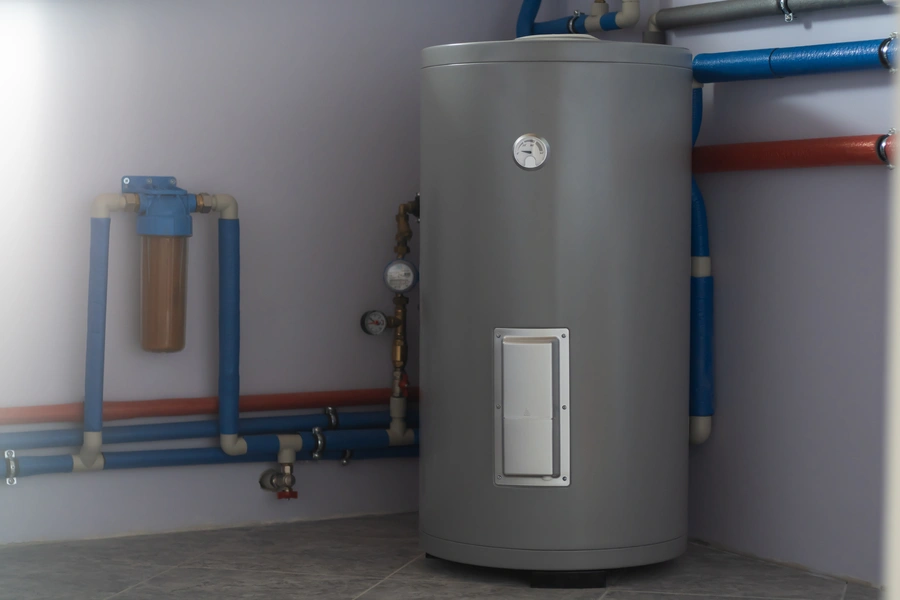
A small issue like a faulty thermostat or heating element can sometimes be fixed. But when the tank itself is damaged, leaking, or full of rust, repairs may only buy a little time. Older units that need frequent service usually cost more in the long run. If your system is over 10 years old and acting up, replacement may be the better option.
Common Symptoms of a Failing Water Heater
Your water heater will usually give you clues before it quits. Watch for these problems:
- Water that does not get hot enough
- Hot water that runs out too fast
- Rust-colored water from hot taps
- Popping or banging noises from the tank
- Leaks around the base of the unit
- Higher energy bills without more usage
If you notice more than one of these signs, the system may be near the end of its life.
Likely Causes Behind These Problems
Understanding the cause helps explain why water heater replacement is sometimes the only real fix.
Sediment buildup: Over time, minerals from hard water settle at the bottom of the tank. This layer hardens and makes the heater work harder. It can also cause rumbling sounds and overheating.
Rust and corrosion: The inside of the tank has a lining to slow rust. Once that lining breaks down, corrosion spreads. Rust weakens the metal and can lead to leaks.
Worn-out heating elements: Electric units rely on heating elements. Gas models use burners. When these parts fail, you may get lukewarm water or none at all.
Pressure buildup: If pressure inside the tank gets too high, it can stress seals and joints. Over time, this leads to cracks or leaks.
What to Check First
Before jumping to a full water heater replacement, check a few simple things:
- Make sure the thermostat is set to the correct temperature.
- Check the circuit breaker for electric models.
- Look for visible leaks around valves and connections.
- Flush the tank if sediment buildup is mild.
If these steps do not fix the issue, the problem may be deeper inside the system.
Safe Fixes Vs. Professional-Level Repairs
Some tasks are safe for homeowners. Adjusting the thermostat or resetting the breaker is simple. Flushing the tank can also be done if you are comfortable following instructions.
Other repairs require training and tools. Replacing a heating element, fixing a gas burner, or repairing a pressure relief valve should be handled by a licensed plumber. If the tank itself is leaking, there is no safe repair. At that point, water heater replacement is the only long-term solution.
Prevention Tips to Avoid Early Replacement
You can extend the life of your system with basic care. A little maintenance goes a long way.
- Flush the tank once a year to remove sediment.
- Inspect the anode rod every few years.
- Keep the area around the unit clean and dry.
- Schedule routine inspections.
These steps help reduce rust and strain on the system. While no unit lasts forever, regular service can delay the need for a new one.
When It Is Time to Move Forward
If your heater is leaking from the tank, producing rusty water, or needing constant repairs, it may be time to plan for water heater replacement. A new unit can provide steady hot water, better energy use, and peace of mind. Waiting too long can lead to water damage if the tank bursts.
Need Help With Your Water Heater?
If you are dealing with water heater problems in Bentonville, AR, help is close by. At Moretto Plumbing & Design, we handle water heater replacement and inspections with care and attention to detail. We take time to explain your options so you can make the right choice for your home. Call us at (479) 262-9595 to schedule service or ask questions about your next steps.