
The Type of Soil Around Your Pipe Plays a Major Role in How Long It Lasts
Soil conditions affect sewer line longevity by changing how much pressure, moisture, and movement your pipe faces over time. Expansive clay can squeeze pipes. Sandy soil can shift. Rocky ground can cause cracks. Wet soil can lead to corrosion. All of these factors can shorten the life of your underground plumbing and increase the need for sewer line replacement.
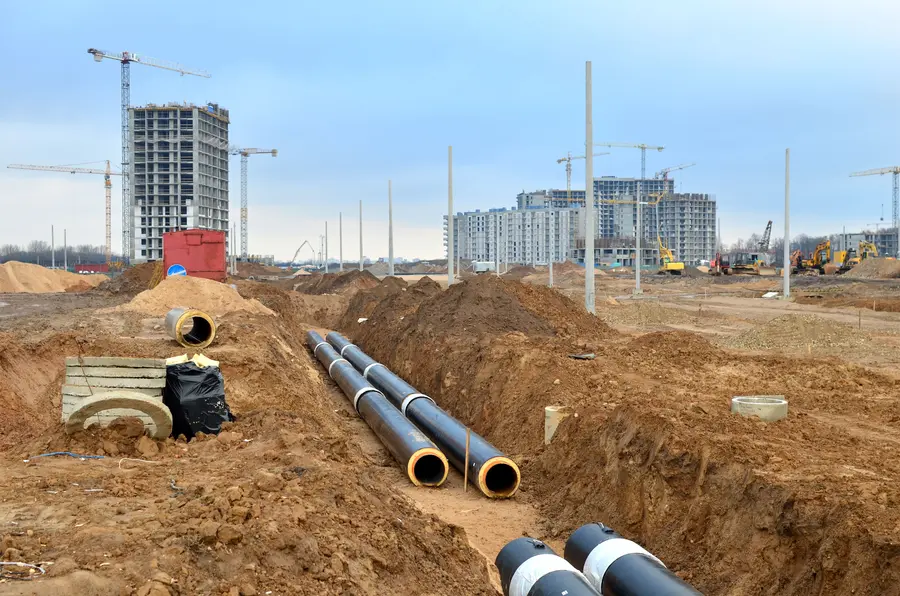
What You Need to Know About Your Yard Before Problems Start
Before worrying about repairs, it helps to know what type of soil surrounds your home. Most homeowners do not think about this until backups begin. But soil type, drainage patterns, and even tree placement can affect your pipe.
Here are a few things that matter:
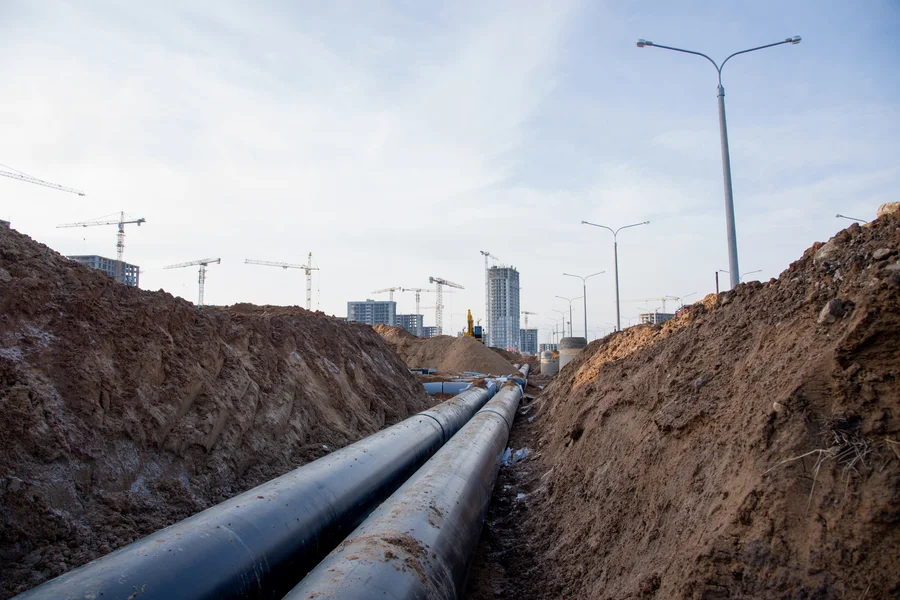
- Is your soil clay, sand, loam, or rocky?
- Does water pool in your yard after heavy rain?
- Are there large trees near the sewer line path?
- Was your home built decades ago with older pipe materials?
Older homes often have clay or cast iron pipes. These materials break down faster in shifting or wet soil. Newer plastic pipes handle movement better, but they are not immune to pressure and settling.
How Soil Conditions Shorten the Life of a Sewer Line
Different soil types create different risks. Understanding them can help you plan ahead and reduce damage.
- Expansive clay soil swells and shrinks. When it absorbs water, it expands. During dry periods, it contracts. This constant movement puts stress on pipes, which can lead to cracks or joint separation.
- Sandy soil shifts easily. Sand does not hold pipes firmly in place. Over time, normal ground settling can cause the pipe to sag. Low spots form, and waste collects there.
- Rocky soil increases impact stress. Sharp rocks press against the pipe. As the ground moves, those rocks can scrape or crack the outer surface.
- Wet or acidic soil speeds up corrosion. Metal pipes break down faster when exposed to moisture and certain soil chemicals. This can lead to leaks and collapse.
- Poor drainage adds extra weight. Saturated soil becomes heavy. That extra weight pushes down on buried sewer lines.
When these issues continue for years, the pipe weakens. At that point, sewer line replacement may be the only long-term fix instead of repeated spot repairs.
Common Mistakes Homeowners Make
Many people focus only on what goes down the drain. While clogs from grease or wipes do cause trouble, outside soil pressure is often ignored.
Other common mistakes include:
- Planting large trees directly over the sewer line
- Ignoring standing water in the yard
- Driving heavy vehicles over buried pipes
- Skipping inspections when buying an older home
Tree roots are drawn to moisture. If soil shifts and creates a small crack, roots find their way inside. Once inside, they grow and block flow. This often leads to major repairs or full sewer line replacement.
When to Call a Professional
Some warning signs point to soil-related sewer damage. If you notice slow drains in multiple fixtures, frequent backups, soggy patches in the yard, or bad odors outside, the pipe may be under stress.
A licensed plumber can use a sewer camera to inspect the line. This shows cracks, bellied sections, root intrusion, or corrosion. Professionals can also check grading and drainage around your property.
Minor issues may be fixed with targeted repairs or trenchless methods. But if the pipe has widespread damage from years of soil pressure, sewer line replacement is often the safer choice. Replacing the line with modern materials gives the system a stronger defense against movement and moisture.
Smart Steps for Long-Term Protection
You cannot change your soil type, but you can reduce risk. Simple steps help protect your plumbing system for years to come.
- Improve yard drainage to prevent constant saturation
- Keep large trees away from sewer paths
- Schedule periodic camera inspections, especially for older homes
- Avoid parking heavy equipment over underground lines
- Fix small plumbing issues before they grow
If you are building a new home, proper soil preparation matters. Contractors sometimes compact or replace unstable soil before installing a new line. This provides stronger support and reduces settling.
Understanding how soil affects your plumbing helps you plan ahead. It also helps you avoid surprise repairs that disrupt your home and yard.
Get Help Protecting Your Sewer Line
If you are dealing with recurring backups or suspect soil movement around your property in Bentonville, AR, we can help inspect the problem and explain your options clearly. At Moretto Plumbing & Design, we handle everything from inspections to full sewer line replacement using durable materials designed to last. Call us at (479) 262-9595 to schedule an evaluation and protect your home’s plumbing for the long run.