
The Way Your Unit Is Set up Can Raise or Lower Your Monthly Utility Bills
Water heater installation has a direct impact on how much energy your home uses. If the unit is the wrong size, placed in a bad spot, or hooked up the wrong way, it will work harder than it should. That means higher electric or gas bills. A proper setup helps the system heat water faster, keep it hot longer, and waste less power.
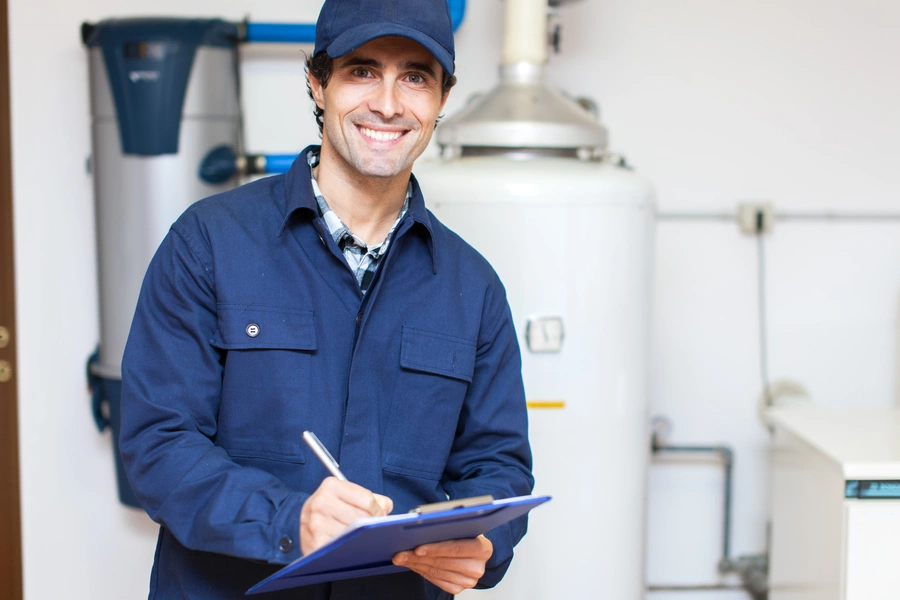
Quick Answer: Installation Impacts Efficiency
When a water heater is installed well, it runs at peak performance. It heats water to the right temperature and shuts off when it should. When it is installed poorly, heat escapes, parts wear out faster, and energy use goes up. Even small details like pipe insulation and thermostat settings make a big difference.
What You Need Before Starting
Before starting any water heater installation, you need to plan ahead. Proper planning helps avoid high energy costs later.
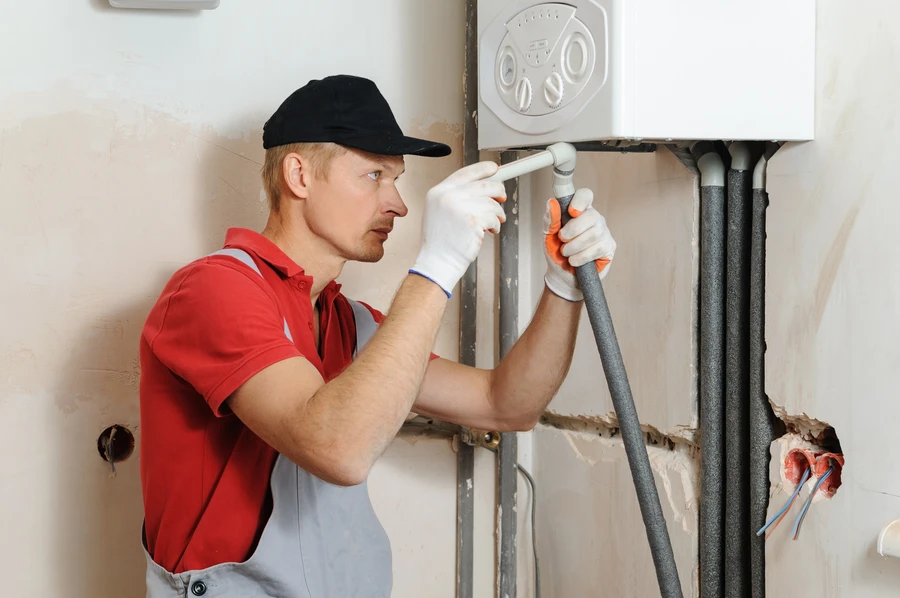
- The right tank size for your household
- Correct fuel type, such as gas or electric
- Proper ventilation for gas units
- Enough space around the unit
- Insulated water lines
If the tank is too small, it will run nonstop. If it is too large, it will keep extra water hot that you may not use. Both cases waste energy.
Step-by-Step: How Installation Affects Energy Use
- Choosing the location: Placing the unit in a cold garage forces it to work harder. A warmer indoor space reduces heat loss.
- Setting the temperature: The thermostat should usually be set to 120 degrees Fahrenheit. Higher settings increase energy use and risk burns.
- Connecting water lines: Poor pipe connections can leak heat. Insulating pipes keeps hot water warmer as it travels.
- Sealing and venting: Gas heaters need safe venting. Bad venting affects performance and fuel use.
- Testing the system: A final system check confirms proper pressure, heating speed, and safe operation.
Each of these steps plays a role in overall efficiency. Skipping one can lead to steady energy loss.
Common Mistakes That Waste Energy
Many homeowners focus only on the price of the unit. They forget that installation quality matters just as much.
- Installing the wrong size tank
- Leaving pipes uninsulated
- Setting the temperature too high
- Blocking airflow around the heater
- Not flushing the tank after setup
Sediment buildup can start early if the system is not cleaned properly. That buildup forces the heater to use more power to warm the water.
Energy Differences Between Tank and Tankless Units
Your type of system also affects energy use. Traditional tank heaters keep water hot all day. Tankless models heat water only when needed.
A tank system may cost less upfront but can use more energy over time. A tankless water heater installation may cost more at first, yet it often lowers monthly bills. The best choice depends on your family’s water use and home layout.
When to Call a Professional
Some people try to handle installation on their own. That can lead to wiring errors, gas leaks, or poor ventilation. These problems raise energy use and create safety risks.
You should call a licensed plumber or technician if:
- You are switching from electric to gas
- You are upgrading to tankless
- Your old unit had repeated efficiency problems
- You are unsure about local building codes
A trained expert can test airflow, water pressure, and heating speed. They also check that the system meets plumbing standards. Proper water heater installation protects your home and keeps energy costs steady.
Final Recommendation and Next Steps
If you want lower utility bills and steady hot water in Bentonville, AR, the way your system is installed matters more than many people think. Our team at Moretto Plumbing & Design handles water heater installation with energy savings in mind. We focus on correct sizing, safe setup, and long-term performance. Call us at (479) 262-9595 to schedule service or ask questions about upgrading your system. We are here to help you get reliable hot water while keeping energy use under control.